







Search Results for: double-flavor pot filter paper

What Exactly Is Double-Chamber Filter Paper? The High-Priced Yin-Yang Pot Filter Paper Pour-Over Method and Budget Alternatives
Front Street Coffee recently came across a uniquely shaped pour-over filter paper—the dual-chamber filter from Spain's Sibarist. Because its interior is divided in two by a partition, netizens have jokingly dubbed it the "double-flavor hot pot filter." The original design intent was to let coffee beans with different characteristics each be extracted separately in a single brew, but at 37.44 euros for 30 sheets—about 9.4 yuan per sheet—it really is staggering as a disposable consumable. Front Street Coffee decided to make a DIY alternative, using two 01-size filter papers in a 02 conical dripper to replicate the dual-chamber structure, and to explore the water temperature and other parameters that need to be considered when actually brewing with this kind of filter. This article will walk you through the dual-chamber filter's construction principle, its official pricing, how to make a DIY alternative, and the core considerations for using it, so you can see whether it's worth buying. [more…]
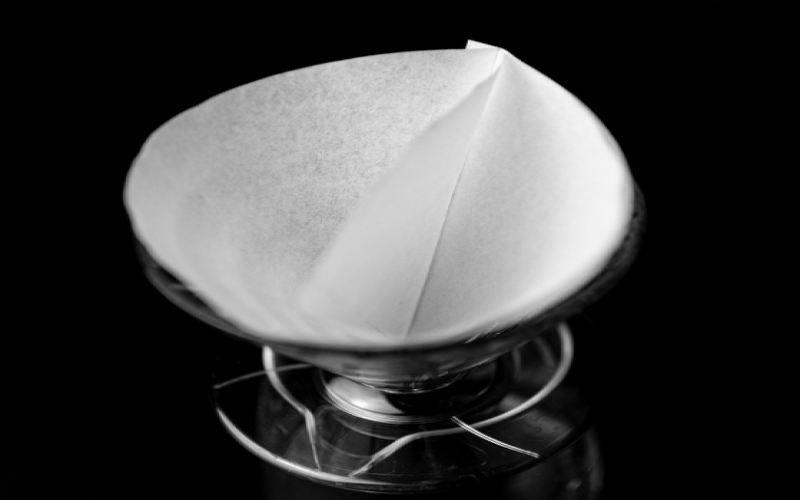
Double-chamber filter paper overturns pour-over blending logic: a new way to brew two coffee beans in one pot and the price controversy
The usual way to make a pour-over blend is to mix different beans together and then grind and brew them as one, but a dual-chamber filter paper launched by Spanish accessory maker Sibarist breaks that convention. The filter has a paper wall down the middle that splits the original bed of grounds into two, letting baristas brew two different coffees at the same time, or the same bean at two different grind sizes, and ultimately fuse a brand-new flavor in a single cup. After the product appeared at the SCA Expo in Chicago, its price was announced: a pack of 30 sheets costs 30.94 euros, or about 8 yuan per sheet, which had plenty of enthusiasts saying they could not bring themselves to pay it. Chinese netizens, meanwhile, saw in its unfolded shape a resemblance to a double-flavor hot pot, and their imaginations ran to a "mandarin duck latte"玩法 in which coffee grounds go on one side, tea leaves on the other, and hot milk is poured through to brew it. [more…]
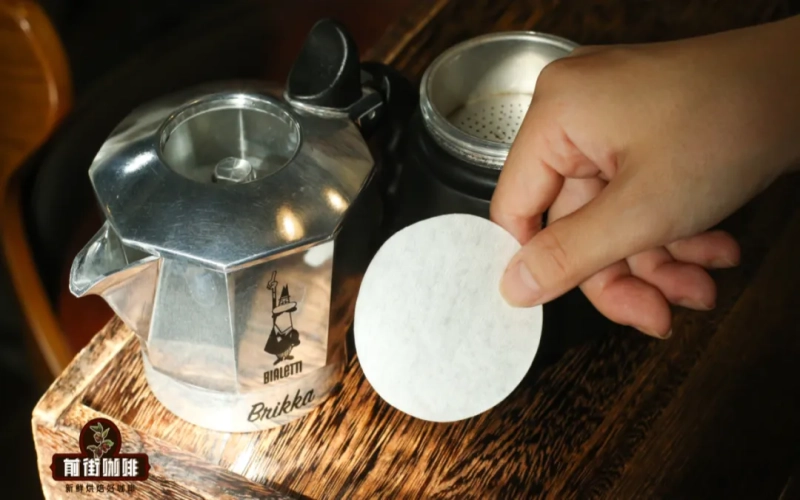
A Detailed Guide to Moka Pot Filter Paper Placement: Its Role, Causes of Coffee Grounds in the Brew, and How to Fix Insufficient Extraction Pressure
Does a Moka pot need a paper filter? Where should the paper filter be placed? Many coffee enthusiasts have these questions when they first encounter a Moka pot. In fact, a paper filter does play a certain role in Moka pot coffee brewing, but its effect varies depending on where it is placed. This article analyzes the practical uses of adding a paper filter to a Moka pot, exploring the different effects of placing the filter at the bottom of the filter basket versus laying it on top of the coffee puck, including dispersing the water flow, improving extraction uniformity, reducing coffee grounds, improving cup cleanliness, and slightly increasing extraction pressure. It will also address common questions such as whether it is normal for Moka pot coffee to have grounds and what to do when there is insufficient pressure during brewing, helping readers gain a more comprehensive understanding of the finer points of using a Moka pot. [more…]
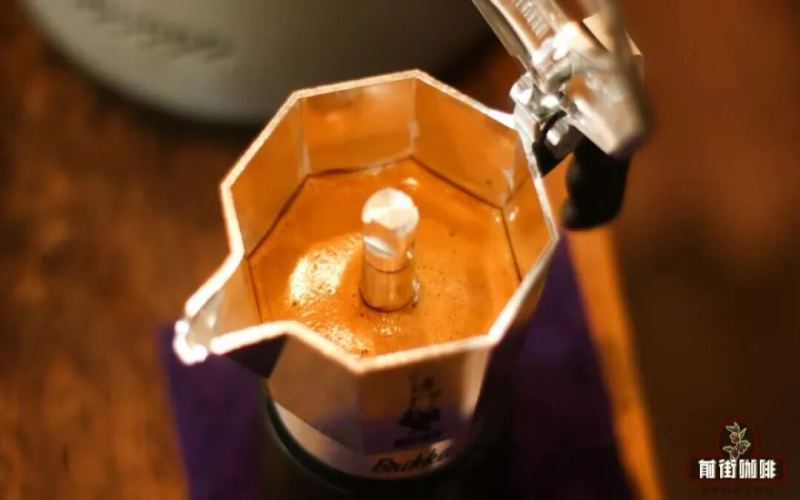
Moka Pot | What role does adding filter paper play when brewing coffee with a moka pot? Where should the coffee filter paper be placed?
To be honest, Front Street Coffee thinks that coffee filter paper can really be called a very versatile tool. Because it's not just for pour-over coffee—it's also used for iced drip coffee, cold brew coffee, espresso, and some friends even use it when making coffee with a moka pot! And at this point, some friends have raised a question. [more…]
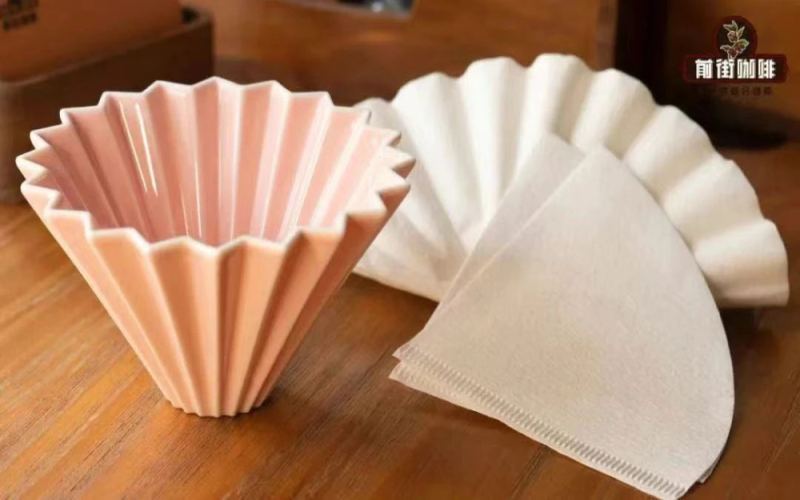
The Diverse Uses of Filter Paper in Coffee Brewing: An Analysis of Filtration Needs for Cold Brew, Ice Drip, Espresso, and Moka Pot
Can filter paper only be used for pour-over? In fact, in cold brew, ice drip, espresso, and even moka pot brewing, filter paper also plays an important role, just with different functions emphasized. This article compiles the practical experience of Front Street Coffee and explains one by one the specific uses of filter paper in different extraction methods: why cold brew needs secondary filtration, what roles the upper and lower filter papers in an ice drip brewer each play, what changes adding filter paper above the puck or at the bottom of the portafilter basket brings to espresso, whether a moka pot should use filter paper, and the correct approach to using filter paper to filter coffee grounds. Whether you are just starting out or want to refine your technique, you can find practical reference solutions here. [more…]
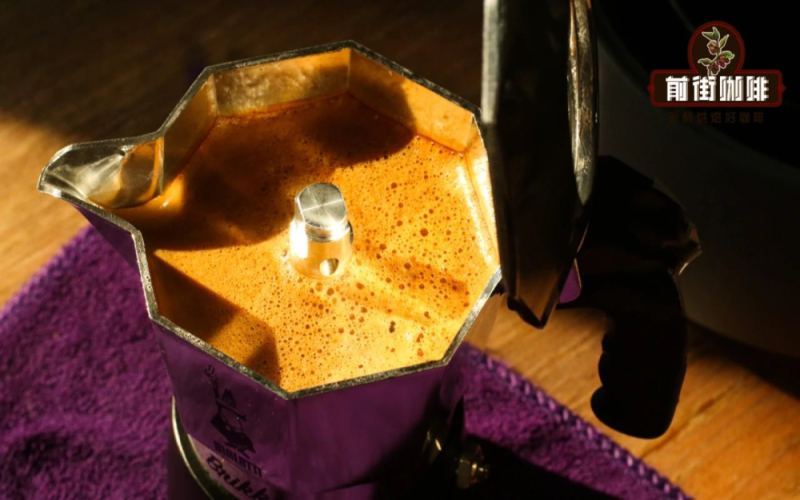
Does a Moka Pot Need a Filter Paper? A Complete Guide from Extraction Principles to Step-by-Step Operation
The moka pot, with its convenient operation and rich, espresso-like output, has become the daily first choice for many coffee lovers. There have always been differing views on whether a moka pot needs to use a filter paper. This article starts from the actual testing by Front Street Coffee, analyzes the effects of placing filter paper at the bottom of the filter basket and above the coffee puck during moka pot extraction, and, combined with the selection of coffee beans suitable for moka pots and grinding degree standards, gradually explains the key operating points of the entire process from adding water, loading coffee, to heating and extraction, helping you make a cup of moka pot coffee with a clean taste and full-bodied flavor. [more…]
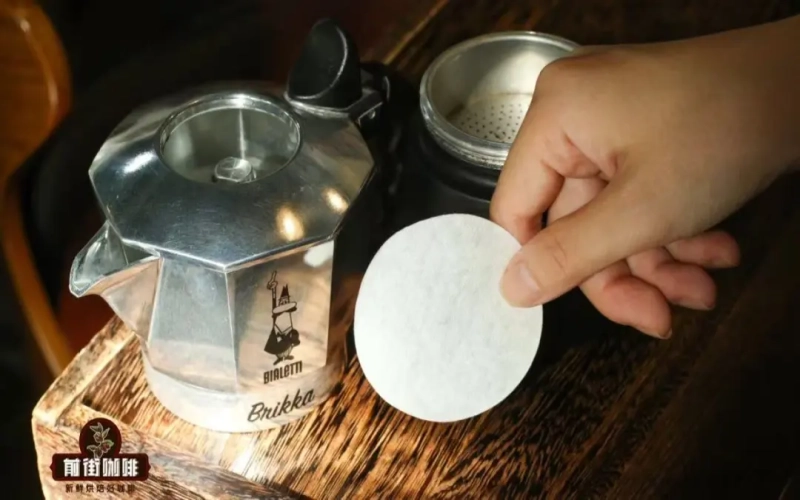
Should the moka pot filter paper be placed at the bottom of the filter basket or on top of the coffee puck? What extraction and cleaning effects does each bring?
Whether to add a filter paper to a moka pot depends on what problem you're trying to solve. Placing filter paper at the bottom of the basket mainly helps distribute hot water more evenly, reduces clogging, and makes it easier to knock out an intact puck for simpler cleaning; placing it on top of the puck increases filtration precision, reduces off-flavors from fine particles, gives a cleaner taste, and slightly increases extraction pressure. Front Street Coffee ran comparisons using a classic blend and found that adding filter paper at the bottom has very little effect on flavor but offers a clear cleaning advantage. This article explains the principles, practical effects, and suitable scenarios for each placement method, helping you choose according to your needs. [more…]
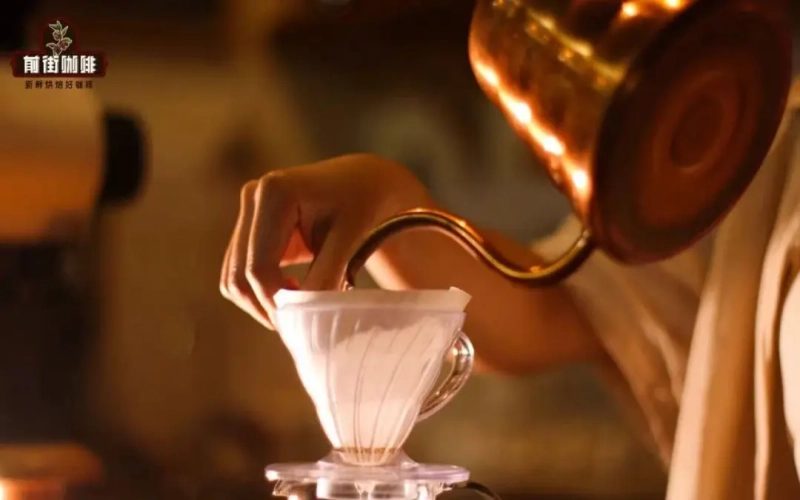
The Impact of Wetting Filter Paper Water Temperature on Coffee Extraction: How to Choose Between Hot and Cold Water
When brewing pour-over coffee, wetting the filter paper is a common step, but have you ever considered that the choice of water temperature can also change the final flavor? This article analyzes the different results brought by wetting the filter paper with hot water versus cold water from three dimensions: the state of the filter paper, extraction efficiency, and coffee temperature. At the same time, drawing on Front Street Coffee's brewing experience, it offers recommendations for filter holders made of different materials such as ceramic and resin, and explores the actual impact of preheating the sharing pot on the temperature of the brewed coffee. Whether you are pursuing sweetness or delicate flavors, you can find a way of wetting the filter paper that suits you. [more…]
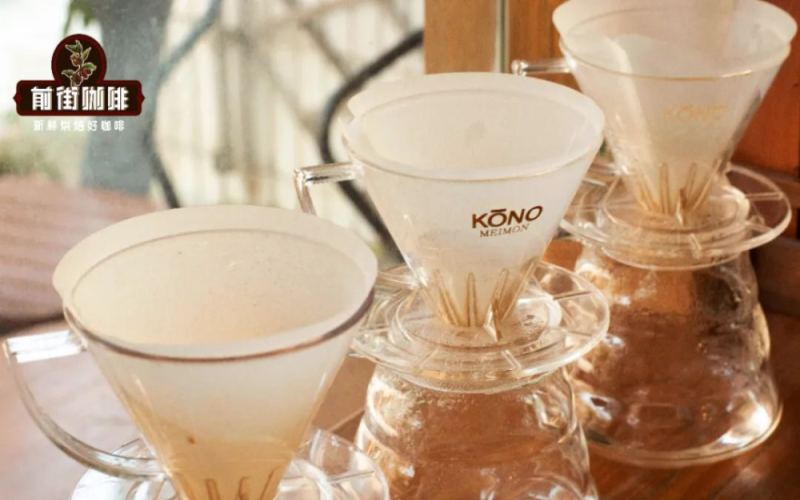
Pour-over coffee channeling | How to judge whether the filter paper is aligned with the coffee dripper? Why should the filter paper be moistened with water to adhere tightly when making pour-over coffee?
For most people, wetting the filter paper is the default first step before brewing coffee, with two main purposes: one is to make the filter paper fit snugly, and the other is to rinse off the dust adsorbed on the paper. If hot water is used, it can also preheat the equipment along the way. In the vast majority of tutorials, aside from guiding us on how to make the filter paper adhere closely [more…]
Pour-Over Coffee Practical Guide: Complete Parameters from Grinding and Water Temperature to Coffee-to-Water Ratio, Plus an Analysis of Eight Major Brewing Methods
Want to brew a delicious pour-over coffee? How exactly should you set the grind size, water temperature, and coffee-to-water ratio? This article first outlines the general principles of coffee brewing, then breaks down one by one the operating details, advantages, and disadvantages of eight brewing methods, including siphon, water drip, espresso, paper filter, piston pot, Belgian pot, and moka pot. No matter which device you usually use, you can find reference parameters and steps here. At the end, it also gives specific suggestions based on Front Street Coffee beans to help you put theory into daily practice. [more…]
The Complete Guide to Brewing Coffee with a Moka Pot: Operational Details and Practical Tips from Bean Selection and Grinding to Extraction
To easily make a rich espresso at home, a moka pot is a highly cost-effective choice. But this seemingly simple device—from choosing the roast level of the coffee beans and controlling the grind size, to managing the heat and whether to add a filter paper—affects the final flavor at every step. This article will start with the structure and extraction principles of the moka pot, explain why dark-roasted beans are more suitable for moka pots, recommend several matching bean options from Front Street Coffee, and then break down the operating process and precautions step by step. Whether you are a beginner who has just gotten a moka pot or an enthusiast looking to refine your technique, you can find practical references here. [more…]
The Complete Guide to Brewing Espresso with a Moka Pot: Bean Selection, Grind Settings, and Open-Flame Tips
Want to enjoy a rich espresso at home but haven't gotten an espresso machine yet? A moka pot may be the most economical and practical alternative. This article starts with the structure and extraction principle of the moka pot, then explains one by one the suitable roasting direction of coffee beans for the moka pot, how to judge the grind size, the clever use of filter paper, and safety precautions during use, and it also includes Front Street's recommended bean list and complete brewing steps. Whether you are a beginner just getting to know the moka pot or an enthusiast looking to refine your extraction, you will find practical references here. [more…]
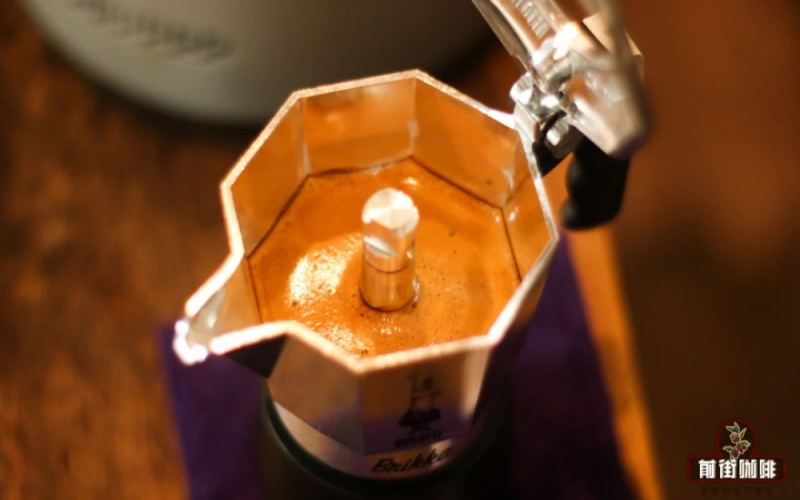
From Bean Selection and Grinding to Brewing: 6 Key Operational Details to Make Moka Pot Coffee Smoother
The Moka pot has a low barrier to entry, but in actual brewing it often produces problems like heavy bitterness, overly high concentration, or thin flavor. This article starts with selecting coffee beans by roast level, then explains in turn the filling method for the coffee dose, the testing logic for grind size, the auxiliary use of filter paper, heat adjustment during the heating process, and finally how to adjust strength by adding water. Each step provides specific operational suggestions and directions for adjustment, and it also recommends medium-dark roasted Front Street Coffee series beans suitable for the Moka pot, helping enthusiasts systematically improve the quality of their Moka pot output. [more…]
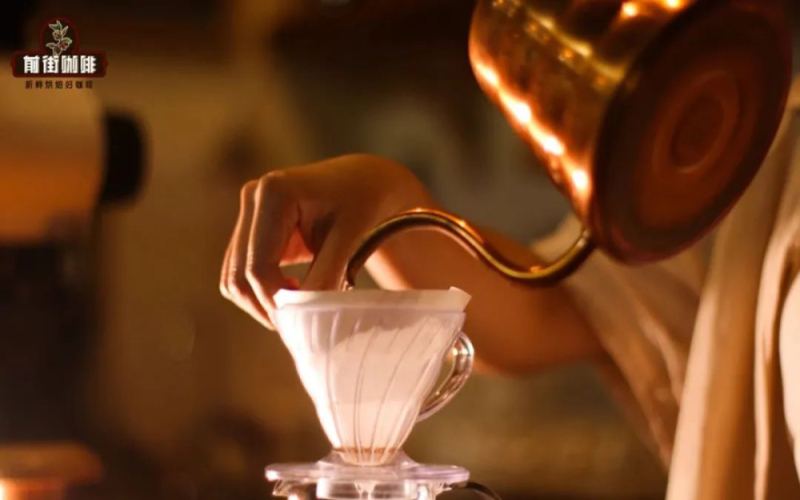
How Does Filter Paper Fit Affect Coffee Extraction? A Comparative Experiment Between V60 and KONO Reveals Flavor Differences
Wetting the filter paper before brewing coffee is almost a standard step for all pour-over enthusiasts, with the usual goals of making the filter paper fit snugly, removing paper dust, and, if hot water is used, warming the cup along the way. However, most tutorials rarely discuss in depth how much the degree of fit between the filter paper and the dripper actually affects the final taste. Front Street conducted two sets of controlled experiments, using V60 and KONO drippers respectively, paired with filter papers in different states of fit for brewing, and tasted and compared them one by one. The experiment used the floral-fruity Front Street · Gedin Gedin and the nutty-sweet Front Street · Brazil Red Bourbon, and the results showed that a poorly fitting filter paper significantly changes the flow rate, which in turn affects the extraction yield and concentration, producing noticeable differences in mouthfeel. [more…]
What coffee beans are suitable for a Moka pot? A full breakdown of paper filter tips, pros and cons, plus detailed brewing steps
As a must-have brewing device in Italian households, the moka pot is deeply favored by coffee enthusiasts for its compact size, convenience, and affordability. But how do you use it to brew a cup of coffee that is neither bitter nor astringent? What roast level of beans should you choose? Should you add a paper filter or not? This article will walk you through the working principle of the moka pot, and drawing on Front Street Coffee's hands-on experience, break down the brewing steps in detail, the choice of grind size, tips for avoiding over-extraction, and an analysis of the pros and cons of using a paper filter with a moka pot. We also recommend coffee beans suited to the moka pot—Front Street Coffee Golden Mandheling dark roast, rich and smooth, to help you easily make a cup of full-bodied, fine coffee. [more…]
Pour-Over Coffee Beginner's Guide: Equipment Selection, Brewing Process, and Illustrated Step-by-Step Instructions
Pour-over coffee is the most popular brewing method in the specialty coffee era, and both the choice of equipment and the techniques involved are worth studying in detail. This article will guide you through the historical origins of pour-over coffee, starting with Melitta's invention of the filter brewing method, then introduce one by one the selection considerations for essential equipment such as the pour-over kettle, dripper, and grinder, along with a complete illustrated step-by-step guide. Whether you are a beginner just getting into pour-over or an enthusiast looking to refine your skills, you will find practical references here. The article also specifically mentions relevant product information from Front Street Coffee to make it easy for you to purchase as needed. [more…]

How to Brew Coffee at Home Without a Dripper, Filter Paper, or Pour-Over Kettle? A Complete Guide to Four Simple Alternatives
Returning home for the Spring Festival, your coffee craving kicks in, only to find you didn't bring a dripper, your filter papers are used up, and your pour-over kettle is nowhere to be found? Don't worry—as long as you have ground coffee and hot water on hand, you can still brew a delicious cup. This article rounds up four simple brewing methods you can do at home: propping a filter paper up with chopsticks, steeping in a teapot, boiling directly in a pot, and an immersion method mimicking cupping. Each method comes with detailed parameters and step-by-step instructions, and using Front Street. Hamashiu natural beans as an example, it walks through the flavor results of each approach one by one, helping you get a satisfying cup even when you're short on gear. [more…]
The Complete Guide to Specialty Coffee Brewing: An Analysis of Common Methods Including Paper Filter, Cloth Filter, Siphon, and Steam Pressure
To brew a great cup of coffee at home, choosing the right method matters more than buying expensive equipment. This article systematically sorts through several common brewing methods—paper filter drip, flannel filter, steam pressure, siphon, cold drip, and iced coffee—explaining one by one their key operating points, grind size, and flavor characteristics. The content covers key details such as equipment selection, coffee-to-water ratio, water temperature control, and pouring technique, making it suitable for coffee enthusiasts who want to advance their skills. Whether you prefer a clean, bright cup or a rich, full-bodied one, you'll find a corresponding brewing approach here. [more…]
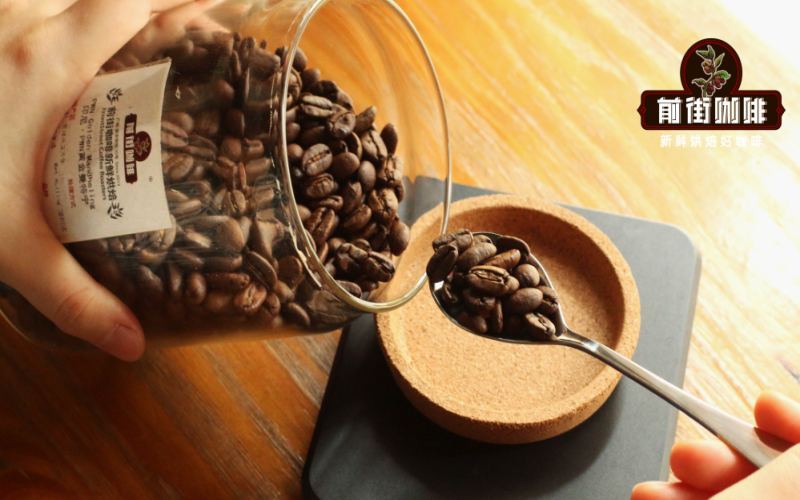
The Complete Guide to Home Coffee Brewing: A Detailed Explanation of Espresso, Pour-Over, Siphon, Moka Pot, and Other Common Methods
Want to easily make a good cup of coffee at home, but don't know which brewing device to start with? Front Street Coffee has recently welcomed quite a few new customers who are no longer satisfied with simply drinking coffee, but instead want to master different extraction methods. This article systematically sorts out commonly used home coffee brewing methods, covering espresso, pour-over single-origin, drip bags, siphon, moka pot, cold drip, AeroPress, French press, and the Clever Cup, along with equipment selection, operating points, and flavor characteristics. It also introduces the specific flavor performance of several of Front Street's espresso blends, helping coffee lovers, on the basis of understanding the principles, find a brewing solution that suits their own taste and pace. [more…]
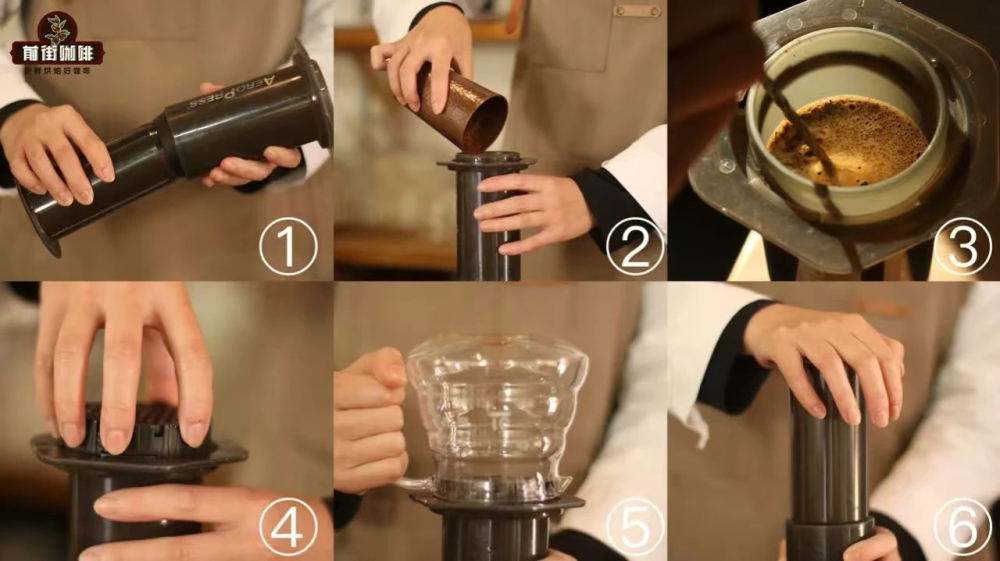
Illustrated Guide to Brewing Freshly Ground Coffee | How to Brew Freshly Roasted Coffee Beans? Flavor and Taste Comparison of Espresso, Pour-Over, Moka Pot, Siphon, French Press, Ice Drip, and Cold Brew Coffee
Front Street Coffee has recently welcomed many new faces to its stores. People are no longer just drinking coffee—they're also learning different brewing methods. The simplest brewing method is none other than pour-over coffee. Compared to the expensive and space-consuming espresso machine, a simple [more…]